Is Thrifting Actually Fighting Overconsumption?


Recently, my TikTok feed has been flooded with thrifting haul videos. People show off racks of clothes they found for a few dollars, massive bags of secondhand pieces, and the occasional “perfect” vintage find. At the same time, thrifting has become increasingly popular as an environmentally friendly alternative to traditional shopping. Even at my school, we have weekly thrifting trips.
At first, that seems like a good thing. Buying secondhand extends the life of clothing, reduces demand for new production, and gives people access to clothes at lower prices. But the more thrifting content I saw, the more I wondered whether thrifting actually fights overconsumption or whether it sometimes just shifts where we overconsume.
A lot of the videos I see are still hauls. Someone buys ten, fifteen, or twenty pieces of clothing at once because everything is cheap and secondhand. The clothes may not be coming directly from a fast-fashion brand, but the mindset can look surprisingly similar: buy a lot, follow trends, wear things for a while, and eventually replace them.
That is where I think thrifting becomes more complicated.

I do not think thrifting is bad. I thrift too, and I think buying secondhand can be a much better option than buying something newly produced. But I also think we sometimes give ourselves too much credit simply because something came from a thrift store. If buying secondhand becomes an excuse to buy more, then we have not really challenged the habit of overconsumption.
The same issue can show up in the way we donate clothing.
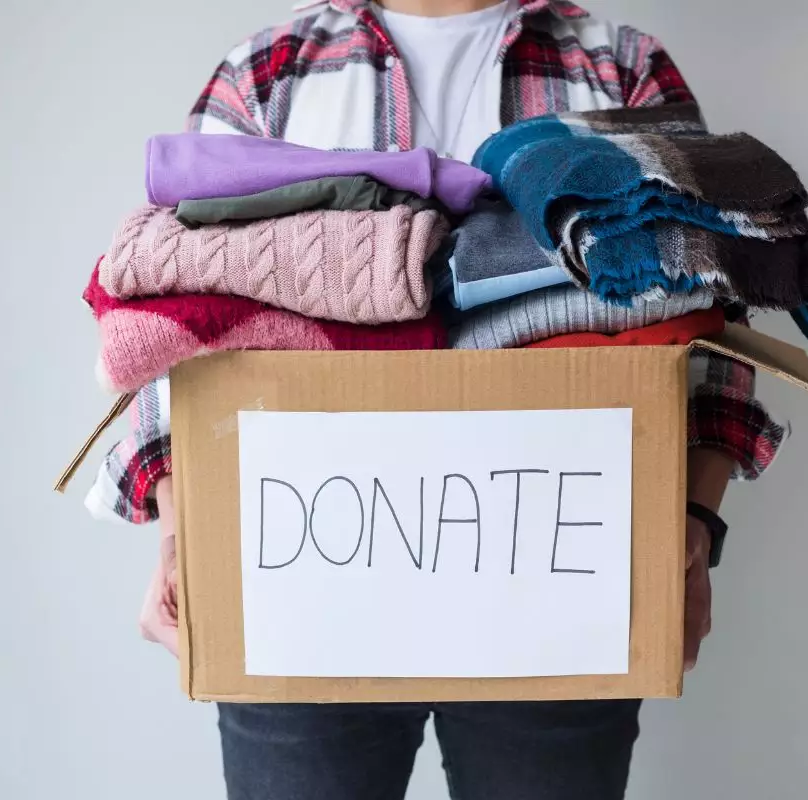
Donating can feel like the responsible final step. We clean out our closets, fill a few bags, drop them off, and feel better knowing the clothes might have a second life. But donation can also become part of the same cycle: buy, wear, donate, repeat. Once our closets are empty again, we have space to fill them back up.
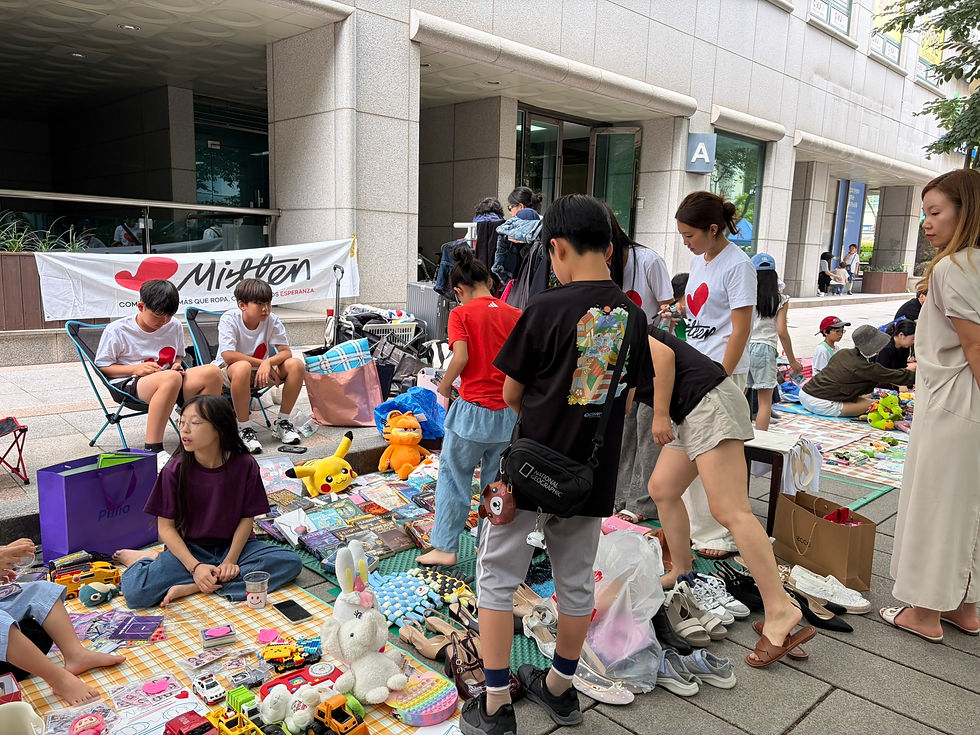
Through my work with Mitten, a clothing donation organization, I started thinking more carefully about where donated clothing actually goes. I realized that there is a difference between simply getting clothes out of your closet and intentionally getting them to people who need them.
Large donation chains can serve an important purpose, but shelters, community organizations, and smaller nonprofits may also have specific clothing needs that are not always being met. Instead of automatically dropping everything into the nearest donation bin, it can be worth asking where those clothes would actually be most useful.
That question, " Who needs this?" has changed the way I think about both shopping and donating.
Sustainability is often framed around what we buy: buy secondhand, buy recycled, buy from a sustainable brand. But I think the harder question is whether we needed to buy something in the first place.

Thrifting can absolutely be part of fighting overconsumption. So can donating. But neither one solves the problem if we use them as permission to keep consuming at the same rate.
Maybe the most sustainable closet is not the one filled with thrifted clothes. Maybe it is the one we do not constantly feel the need to empty and refill.


Comments